Water Cooler Dispenser with Ice Maker: Everything You Need to Know Before Buying

Water Cooler Dispenser with Ice Maker

Refilling plastic ice trays and waiting hours for them to freeze is one of the most tedious kitchen routines—especially during summer heatwaves or when hosting guests. If your refrigerator lacks a built-in ice and water line, or simply can’t keep up with your household’s hydration demands, a water cooler dispenser with ice maker is the ultimate 2-in-1 upgrade.
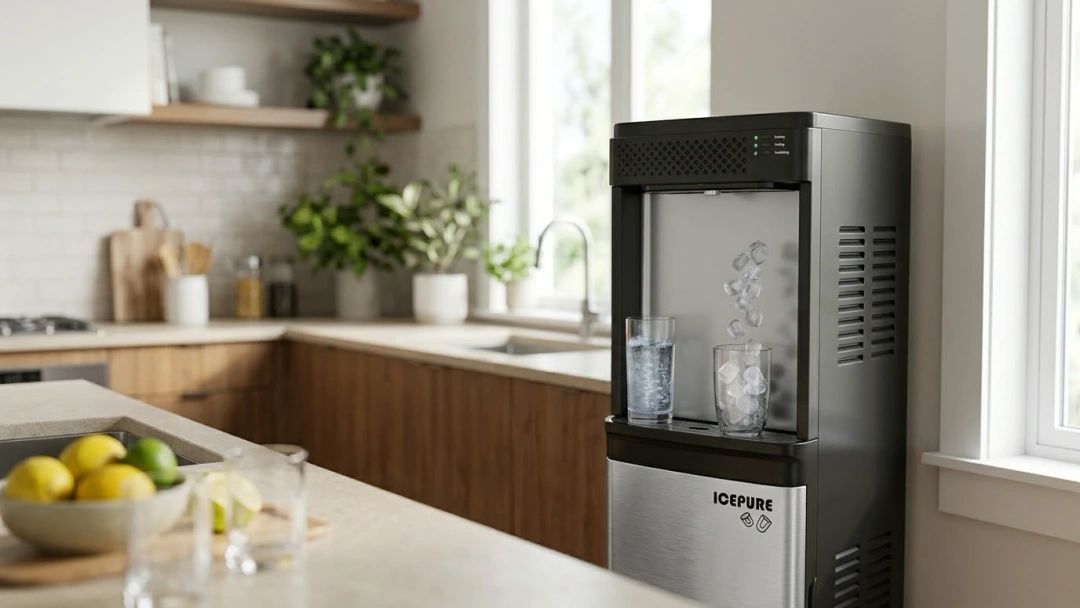
Combining chilled, hot, and room-temperature water with on-demand ice production, these standalone units save counter space and eliminate the need for two separate appliances. Below is a complete breakdown of how these hybrid machines work, the different configurations available, and the exact specifications you need to evaluate before investing in one.

Why Choose a 2-in-1 Water Cooler with Built-In Ice Maker?

Purchasing a standalone water cooler and a separate countertop ice maker takes up two power outlets and doubles the footprint in your kitchen, office breakroom, or home gym. Combining them solves several everyday pain points:

  • Space Optimization: You get hot water for tea, cold water for hydration, and fresh ice from a single vertical or compact footprint.
  • Continuous Ice Supply: Most integrated units produce a fresh batch of 7 to 9 ice cubes every 6 to 12 minutes, generating between 20 to 44 lbs of ice per day.
  • No Plumbing Required (Usually): Bottled and manual-fill models only require a standard 110V electrical outlet, making them ideal for apartments, RVs, patios, and offices without accessible water lines.
  • Tri-Temperature Dispensing: Beyond ice, most units feature three temperature settings—piping hot (around 185°F–203°F), crisp cold (40°F–50°F), and ambient water.

3 Main Types of Water Cooler Dispenser with Ice Makers

Before looking at specific brands, you need to match the water supply style and form factor to your available space.

Dispenser Type

Water Source

Daily Ice Output

Best For

Key Trade-Off

Countertop

Manual fill tank or side bottle

20–28 lbs

Small kitchens, dorms, RVs, home bars

Requires frequent manual water refilling

Bottom-Load (Freestanding)

3- or 5-gallon water jugs

25–40 lbs

Families, offices, renters

Ongoing cost of buying/refilling water jugs

Bottleless (Point-of-Use)

Direct plumbing line + filters

30–45+ lbs

Busy offices, permanent home setups

Requires installation near a water line

Countertop Water Cooler Dispenser with Ice Maker
Designed to sit neatly beneath standard kitchen cabinets, countertop models feature an internal water reservoir (typically holding 2 to 4 liters) that you fill manually, though some accept compact plunger-style bottles. They are lightweight, portable, and ideal for 1–3 people.
Bottom-Load Water Cooler Dispenser with Ice Maker
Traditional top-loading coolers require you to lift a 42-pound (5-gallon) jug above your waist—a major strain on your back. Bottom-load units conceal the 5-gallon bottle inside a lower cabinet and use an electric pump to draw water upward into the cooling, heating, and ice-making chambers.
Bottleless (Point-of-Use) Water and Ice Dispenser
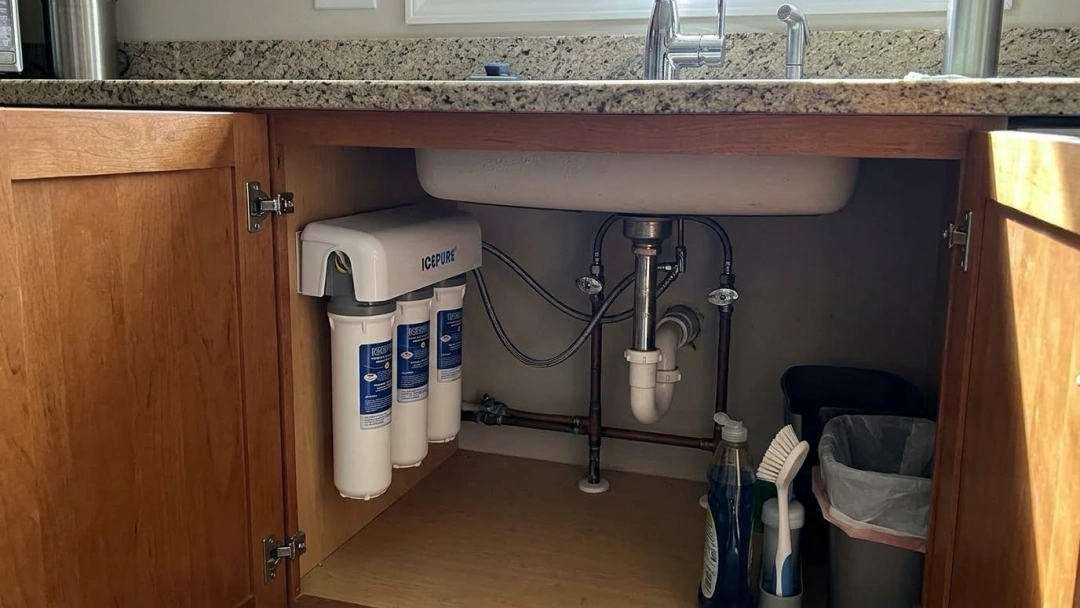
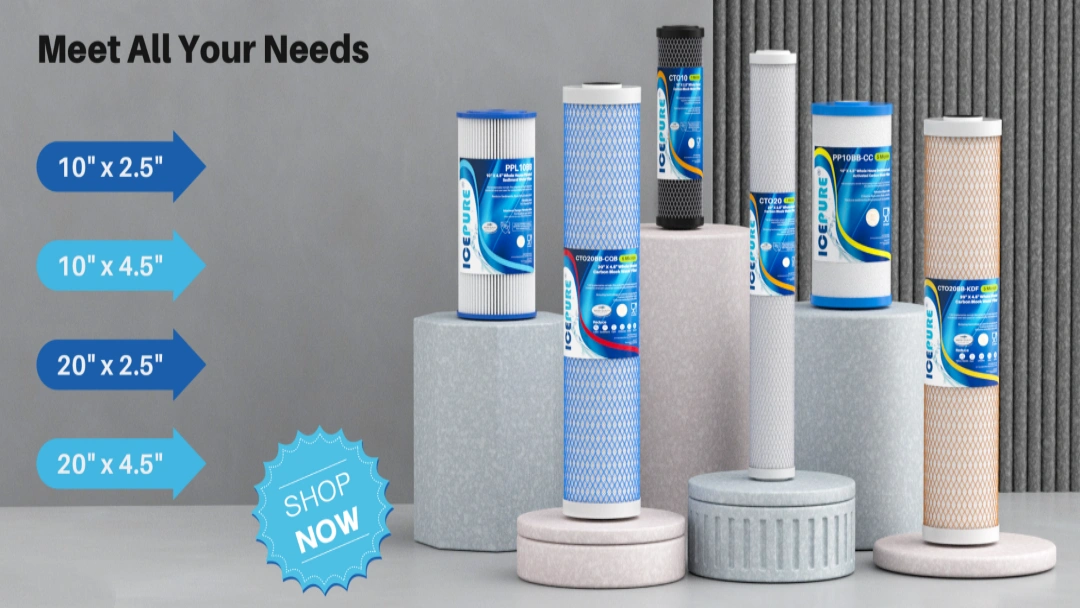
If you go through more than three 5-gallon jugs a week, a bottleless unit connects directly to your cold water pipe via a 1/4-inch tubing line. Most models include multi-stage sediment and carbon block filters (or Reverse Osmosis) to purify tap water before freezing and dispensing it.

Crucial Features to Compare Before Buying

Not all ice-making water coolers operate the same way. Pay close attention to this specification checklist before adding a unit to your cart:


Ice Shape: Bullet Ice vs. Nugget Ice

  • Bullet Ice: The industry standard for 2-in-1 dispensers. Bullet-shaped cubes have a hollow center, freeze rapidly (6–10 minutes per cycle), and melt slowly in drinks.
  • Nugget (Chewable) Ice: Also known as “sonic ice” or pebble ice, this soft, chewable ice absorbs drink flavors. Dispensers featuring nugget ice makers are quieter and highly sought after, though they typically cost 30% to 50% more than bullet-ice models.
  • Clear Crescent/Cube Ice: Found mostly in commercial bottleless dispensers; melts the slowest and offers the cleanest presentation.

Critical Note: Ice Storage vs. Freezer Compartments

Here is the most common misconception buyers have: Almost no water dispensers with ice makers have an actual freezer bin.
Instead, they use an insulated ice storage basket (usually holding 1.5 to 4 lbs of ice at a time). As the ice sits in the basket and slowly melts, the water drains back into the reservoir and is automatically recycled to make fresh ice. Because of this, you should take out the ice as you need it, or transfer excess batches to your main freezer in a zip-top bag.


Daily Ice Production & Cycle Time

Check two metrics: 24-hour output and cycle speed. A standard family of four should look for a machine capable of producing at least 26 lbs of ice per 24 hours with a cycle time under 10 minutes.

Self-Cleaning Functions (UV vs. Ozone)

Because ice makers constantly circulate cool, damp air and water, biofilm and mineral scale can accumulate quickly. Look for models featuring:

  • UV-C LED Sterilization: Uses ultraviolet light inside the cold tank and ice reservoir to neutralize 99.9% of bacteria and viruses.
  • Automatic Rinse Cycles: Press-and-hold cleaning buttons that flush the ice-making evaporator prongs cleanly.

Safety Locks & Noise Levels

If the unit dispenses hot water, a two-step child safety lock on the hot water tap is mandatory for households with children or pets. Additionally, check the decibel (dB) rating—compressor-cooled ice makers should run below 45–50 dB so they don’t disrupt conversations or office calls.

How to Clean and Maintain Your Ice & Water Dispenser

Proper maintenance keeps your ice from tasting stale or metallic. Follow this simple schedule:

  • Use Filtered or Distilled Bottled Water: Hard tap water contains calcium and magnesium that coat the metal freezing prongs (evaporator fingers), slowing down ice production and eventually burning out the pump.
  • Descale Every 3 Months: Mix a solution of equal parts white vinegar (or food-grade citric acid) and warm water. Run it through the water reservoir and activate the cleaning cycle to dissolve mineral buildup.
  • Wipe the Ice Basket Weekly: Remove the plastic ice scoop and storage bin once a week, wash them with mild dish soap, and dry completely before reinstalling.
  • Keep the Condenser Vents Clear: Leave at least 4 to 6 inches of clearance around the back and sides of the dispenser so the compressor fan can dissipate heat efficiently. Poor ventilation cuts ice production in half.

Frequently Asked Questions (FAQ)

Why Does My Water Cooler Dispenser with Ice Maker Keep Melting the Ice?
Built-in ice makers store cubes in a well-insulated chamber rather than a sub-zero freezer. This prevents the cubes from freezing into one giant, unusable block. As the ice gradually melts, the machine drains the water back into the lower tank and automatically freezes a fresh batch so your ice is always ready to dispense.

Can I Use Regular Tap Water in a Water Cooler Dispenser with Ice Maker?
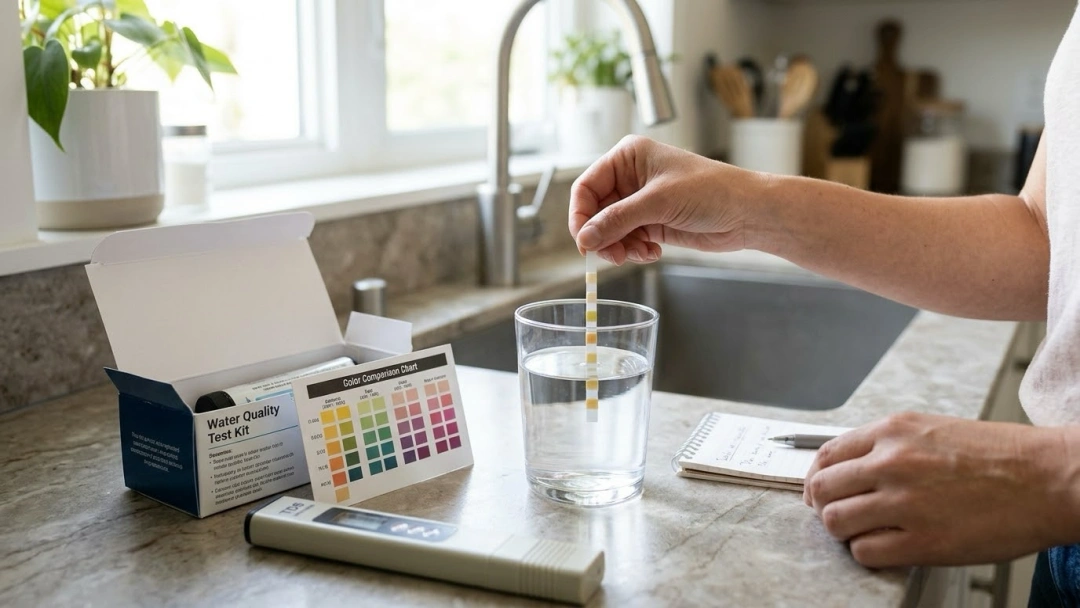
You can use tap water in manual-fill models, provided your local water isn’t excessively hard. However, using filtered water (from a pitcher, RO system, or 5-gallon purified jugs) significantly reduces scale buildup on the internal heating and freezing elements and improves the clarity and taste of the ice.

How Much Electricity Does a Water Cooler with Ice Maker Use?
Most residential units draw between 120W and 180W while actively making ice, and up to 500W for brief periods when the hot water heater kicks on. Look for ENERGY STAR® certified models and turn off the hot water switch or ice-making toggle overnight to reduce energy consumption by up to 30%.

How Long Does It Take to Get the First Batch of Ice?
Once you plug in the machine and load the water, the first cycle typically takes 10 to 15 minutes as the compressor cools down the evaporator prongs. Subsequent batches usually drop every 6 to 9 minutes.

Choosing the Right Model for Your Space
Finding the right water cooler dispenser with an ice maker by Refer to the table below.

Model

Certification

ETL/FCC

ETL/FCC

ETL/FCC

ETL/FCC

ETL/FCC

Material

Plastic

Plastic + Stainless Steel

Plastic + Stainless Steel

Plastic + Stainless Steel

Plastic + Stainless Steel

Water Inlet

Top Loading

Bottom Loading

Bottom Loading

Water Pipe

Water Pipe

APP

✘

✘

✓

✓

✓

Hot Water

✓

✓

✓

✓

✓

Cold Water

✓

✓

✓

✓

✓

Room Temperature Water

✓

✓

✓

✓

✓

Bullet Ice

✓

✓

✓

✓

✓

Crushed Ice

✘

✘

✓

✓

✓

Filtration

None

None

None

2-Stage Filtration

3-Stage Filtration